
Gianna Obersovszky-Szeghy
Wilderness conservation and environmental science
9.14
Hello! Long time no see. Welcome back to all my loyal readers. Last week was quite busy and I did not give myself any time to write what I was working on. Tommorrow, I am pitching my lab to the WISRD Board. I spent some time last week working on my presentation. I really hope it gets approved. This research lab is very important to me. Continuing from what I started last week, I am trying to understand the background of Atmospheric Microbiome Restoration as best as possible.
9.2
Today I continued my work from yesterday. I read a few research papers involving Microbiome Restoration, and then ones involving holding flora in a tank. I have built a better understanding of how I will conduct my experiment through learning how other scientists have conducted theirs. I spent today organizing my thoughts, researching, and taking thorough notes.
9.1
I am preparing to begin experimentation soon. Today I began compiling a list of all materials I may need, and how to acquire them. That document is linked here. I am conducting research as to how best to create CO2. My current plan involves capturing the gas emitted from the reaction of baking soda and vinegar. I will need some sort of filtration system to ensure no acid makes its way onto the plants and earthworms. I am also conducting research about which plants may be best to use in the experiment. It must be a fast growing plant that is also compatible with the worms. Thus far my top contender is clover because it grows fast at a large quantity and is an excellent food source for earthworms as well as a soil builder.
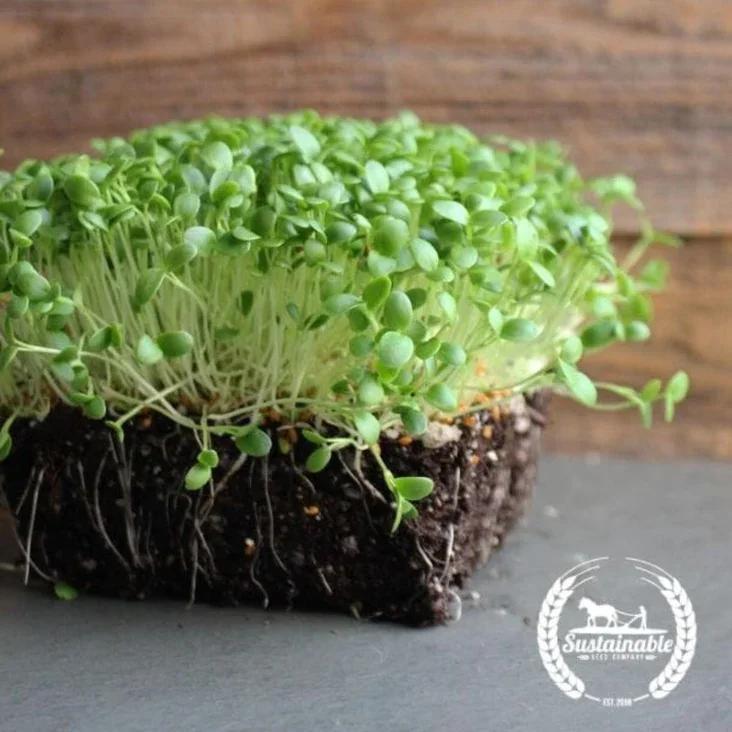
Crimson Clover growing (the one on my materials list)8.25
Today I researched earthworms and how best to go about acquiring them. I did a lot of research and created a document in which to cite my sources, linked here. Megan also sent me a bunch of cool research papers and articles, which I can’t wait to check out. I began taking notes on my research in my field notebook, which made me feel like a super cool awesome scientist. I have begun creating my lab protocol. The ongoing document is linked here. My lab protocol so far is this:
Research question: How does CO2 induced soil stress alter the transmission of beneficial microbes from the earthworm-gut to the plant canopy and the surrounding atmosphere?
Lab Setup
A three-layered vertical ecosystem inside a sealed, airtight glass chamber:
The Atmospheric Layer (The Sky): The top half of the tank, filled with injected CO2 and monitored by an air pump.
The Canopy Layer (The Flora): Fast-growing plants whose roots sit in the soil and whose leaves interact with the atmospheric layer.
The Soil Layer (The Ground): Organic soil bed populated by the earthworms.
Experimental Variables & Measurements
Instead of just looking at worm survival, measure the flow of microscopic life across all three layers under CO2 stress:
Injected CO2 Stress —> Affects Worm Gut & Activity —> Alters Plant Leaf Microbes —> Changes Airborne Restorative Microbiome
The Worm Variable: High CO2 forces worms to alter their burrowing behavior or changes their gut chemistry.
The Plant Bridge: The worms' behavior changes the nutrients and microbes available to the plant roots. The plant absorbs this stress and changes the chemical secretions on its leaves.
The Atmospheric Restoration Outcome: Sample the air to see if the combination of worms, plants, and CO2 causes the system to release more or fewer ice-nucleating or stress-shielding microbes into the air compared to a tank without worms.
Control Groups
To prove the worms actually matter to the atmosphere, I will run at least four tanks side-by-side:
Tank A (Experimental): Soil + Plants + Worms + High CO2
Tank B (Worm Control): Soil + Plants + No Worms + High CO2
Tank C (Baseline Control): Soil + Plants + Worms + Normal Air(normal microbe transmission)
Tank D (Absolute Control): Soil + Plants + No Worms + Normal Air
8.24.26
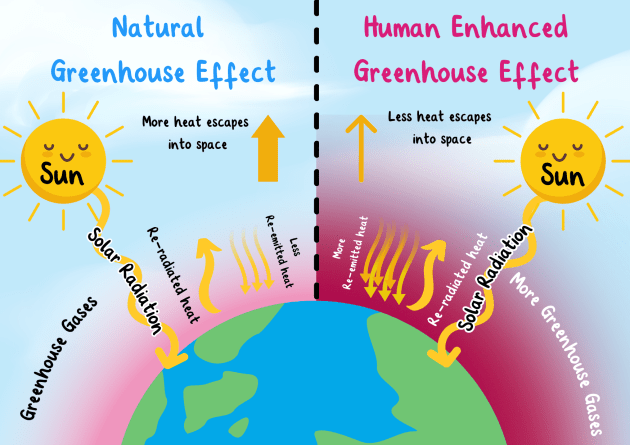
First full week in WISRD. I have decided that I will research Atmospheric Microbiome Restoration. It’s a recent scientific concept that lacks fundamental research. AMR involves protecting communities of microbes, like the ones in tree bark, that naturally filter out greenhouse gases. It lacks research because it is something that’s difficult to study in nature. My plan is to recreate the outside climate in a few controlled tanks to study issues and solutions. I’m conducting research to understand how to best go about running my experiment. My experiment will include earthworms so we can get a better understanding of how greenhouse gases negatively affect life, and how microbiome restoration could positively affect it.
8.19.26
Hello, hey, hi. Today is my first day in WISRD!!! I have been waiting forever to join WISRD. Okay so I am considering a few different project ideas in relation to wilderness conservation. I’m especially interested in studying greenhouse gas emmissions, also known as emmissions of greenhouse gas. Yippedoodah. I can’t wait.